3D Printing Going Mainstream
by 14 June, 2011 1:45 pm3
3D printing, the next big revolution
Contrary to what most people think, it is almost impossible to “forecast” the next big tech revolution but fortunately, we seem to have stumbled on another tech trend that might actually join the elite club of revolutionary technologies very soon: 3D printing.
When it comes to emerging trends, we may be able to make reasonable guesses based on previous experience (eg. Moore’s law) but if we honestly look back at some of the most important technological developments of the recent decades like the internet, computers, etc. we have to keep in mind that at the time, nobody imagined the potential benefits of these technologies. This is why 3D printing is so exciting.
3D Printing Within Our Grasp?
First of all, 3D printers have been around for more than a decade but the use of such technology was severely limited because it was extremely expensive and too bulky for mainstream use. Like the first computers, only the biggest and wealthiest firms could actually afford to use them. A typical commercial printer would usually cost around $400,000 and was used specifically to produce prototypes of special equipment or components for high-end products. Today, things look much different. The price of a 3D printer can go for low as $649 and prices of more expensive models are rapidly falling. Moreover, 3D printing is increasingly used for the production of final products, rather than just prototypes. Analysts predict that total output of final products could increase from the current 20% to 50% within the next decade.

The Evolution of 3D Printing
The best thing about 3D printing is that it lacks a definite purpose and that is a good thing because it can be used for virtually anything. For example, just a few years ago it was used for relatively small products like jewellery, custom-made clothing accessories, medical implants and even solid-state batteries. However, today developers are pushing the boundaries of this technology. In March 2011, scientists in Bristol successfully printed a fully functional bicycle, and in June, they managed to print a bikini. This is hugely significant because it just goes to show how easily a variety of products can be printed with the same manufacturing process.

By reducing the costs of manufacturing products, 3D printing will provide unprecedented access to entrepreneurs. People will be able to go into business with less capital than they would normally require. For example, standard manufacturing methods require firms to place a minimum order of at least a few thousand units because it is very expensive for manufactures to re-tool their machines for each product. This is not a problem with 3D printing, where even a single prototype could be printed without any additional cost.
3D Printing is Here to Stay

Even though I have fallen in love with 3D printing, I do not think this will become a household item overnight. Instead, this technology will most probably have a lengthy transition process from the business environment to the average tech-savvy household.
This technology promises to give virtually everyone the chance to become an inventor or an entrepreneur. Going are the days when entrepreneurs had to wait for months and spend enormous amounts of capital to put an invention on the market (assuming the prototype got everything right). Coming are days when potential inventors would only have to build a 3D model of the particular invention and click “print”. Thus, we wait impatiently for the 3D printing revolution to gather momentum.
Related posts

Announcements & News / by - 15 February, 2016 4:36 am
ICANN to Allow .What-everrrr Domain Registrations
The Internet Corporation for Assigned Names and Numbers (ICANN) has changed a rule that will allow the reservation of existing domain names that use any combination of letters and numbers….
Latest / by - 4 February, 2016 1:04 pm
Some of the more popular alternatives to point of sale checkout
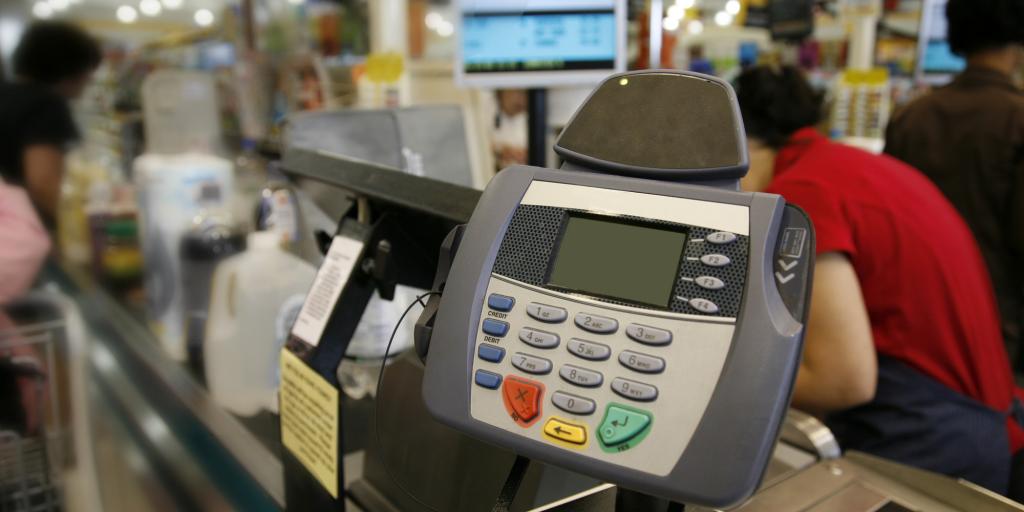
Decades ago we were all used to queueing at the traditional point of sales (POS). The high street cash register was king when it came to paying for purchases, in…

iPhone / by - 19 January, 2016 2:47 pm
How much protection do you get from an iPhone screen protector?
Many people argue that it’s no longer necessary to protect your iPhone with a screen protector due to the higher quality of glass used in construction. If you have seen…

Tech News / by - 4 December, 2015 4:30 am
Why Would I Need a GoPro?
While modern smartphone cameras have moved far beyond their basic beginnings to become comparable alternatives to dedicated camera equipment for amateur photographers, the GoPro’s range of advanced features make it…
Tech News / by - 11 September, 2015 6:20 am
Here’s Why You Should Buy a Tablet This Year
The iPad was introduced in the spring of 2010. That was the beginning of the modern tablet era. In fact, 2011 was the year of the iPad/tablet. From that point,…

Tech News / by - 18 June, 2015 11:06 am
Smart Decisions to Secure Your Apple Device
Millions of customers use iPhones, Macbooks and other Apple devices. The growing use of Apple products has led to hundreds of security threats to these devices. Malware and viruses can…

Tech News / by - 5 March, 2015 4:42 am
How Economic Networks Are Replacing Economies of Scale in The Knowledge Economy
In the book, Information Rules, authors Carl Shapiro and Hal R. Varian make an astonishing statement: “There is a central difference between the old and new economies: the old industrial…

Tech News / by - 9 December, 2014 6:59 am
Samsung Galaxy Products: A Cut Above The Rest
Samsung is the market leader in terms of smartphone sales. Samsung galaxy products are ahead of its class and are known for its innovative features and affordable price. The company’s…

Tech News / by - 20 November, 2014 8:29 am
Japan’s Domestic Companies Loss is International Online Casino Industries Gain
Japan remains one of the largest, if not the largest, untapped gambling markets in the world, in regards to both the online and offline sectors for domestic companies. This dominating…
Tech News / by - 7 November, 2014 5:57 am
Five Reasons to Use Your Smartphone as a Credit Card Reader
Years ago, the term “credit card reader” was not used very loosely. Either you had a machine that allowed you to take an imprint of a customer’s credit card or…

Tech News / by - 9 July, 2014 9:35 am
More Creative Ways to Sell Your Products Online
Selling goods on the Internet is both easy and difficult. It’s easy because there are many available resources that make setting up online shops quick and easy. They can also…

Tech News / by - 9 July, 2014 9:25 am
Getting the Right Video Conferencing Equipment for an Effective Team Collaboration
Any time you need to get on a video conference call, you might worry about whether the person on the other end can see and hear you properly. If you’re…

Tech News / by - 23 May, 2014 6:09 am
Fighting Internet Lag – 4 Strong Tips For Reducing Connection Latency
Internet drag, or “latency” is a dreaded occurrence to all equally. It sucks to have to wait for buffering, or to have your immersive video gaming experience so rudely interrupted…
Tech News / by - 5 August, 2013 7:28 am
When Tech Goes Wrong – The Biggest Tech Outages of 2013
Most of the time, we expect search engines, social networks and other forms of web technology to be up and running – but recent events have shown that even big…

Tech News / by - 20 July, 2013 2:26 pm
New Apps You Must Know About
Combining Apps with IFTTT iPhone’s new automation app ‘If This Then That’(IFTTT) allows you to bring two separate apps together by mentioning which of them is the “This” one and…

Tech News / by - 18 July, 2013 2:58 pm
Five Tablet Apps To Dispel Your Doodle Dilemmas
For all those who lament over the neglect that technology has showered on the art of doodling till date – good news has arrived. In a space cluttered with inefficient…

Tech News / by - 16 July, 2013 1:35 pm
Is your Android Device Safe?
The Android OS is Google’s open source operating platform for smart phone and tablet devices. Android is currently the second most popular platform in terms of number of users. This…

Tech News / by - 13 July, 2013 3:07 pm
Apple’s App Store – Now and Then
The world of personal computing went for a spin on 10th July 2008 with the launch of Apple’s App Store, presenting its users with an unfathomable ocean of apps that…

Tech News / by - 10 July, 2013 3:24 pm
Dodge The Disaster: A Five-Step Guide To Technology-Based Disaster Preparation
Disasters are unpredictable and unpreventable. Being prepared to face the inevitable, whenever it strikes, is definitely judicious. In the modern-day world of incredible breakthroughs in every field, technology has progressed…

Tech News / by - 7 July, 2013 12:04 pm
Google’s Offline Disk Import: Just the Thing Developers Wished For
If you are worried about importing very large sets of data on Google Cloud Storage, then Google has come up with just the right solution. Google has recently added a…


