What Are Smartwatches & How Do They Work?
by 9 September, 2025 10:50 am0
Smartwatches are gaining ground fast, with more than 100 million units sold every year, according to Statista. Who can resist the idea of a tiny computer right on your wrist? Knowing how smartwatches work matters now more than ever: from fitness tracking to staying on top of messages, they touch so many corners of daily life. This article takes you through their history, what they do, and why they matter. Plus a peek at where these gadgets might be heading next.
Table of Contents
1. What Are Smartwatches?
2. A Brief History
2.1. How Smartwatches Work
2.2. Key Components Inside
2.3. Sensors and Connectivity
3. Popular Features
4. Common Uses
5. Compatibility With Smartphones
6. Benefits and Limitations
7. Choosing the Right Smartwatch
8. Maintaining and Caring
9. Final Words
Is the smartwatch the new phone, or just its faithful sidekick? As we dig into the world of smartwatches, you’ll see how they can make day to day life simpler and even nudge you toward better health. Ready to see what these little devices can do? Let’s jump right in.
What Are Smartwatches?
Think of smartwatches as compact, multi talented companions for your wrist, far more than a basic watch. They’re a bit like a pocket knife for the digital age. Instead of scissors and files, you get things like fitness tracking, music control, and instant notifications. Their capabilities come from built in processing power, memory, and connections like Bluetooth or WiFi. Tony Fadell once put it this way: “The smartwatch is not just a device, it’s a platform that can change the way we live and interact with technology.”
So what sets a smartwatch apart from a traditional watch? Imagine comparing a bicycle to a motorcycle. Both will get you there, but one does so with flair and extra power. With a smartwatch, you can answer calls, pay at the coffee shop, or queue up your favorite playlist, all from your wrist. No wonder these devices are catching on as must have accessories.
A Brief History
Back in 2004, Microsoft introduced the SPOT, the first device that really qualified as a smartwatch. Its black and white touchscreen and a few handy functions (like news and weather) marked a simple start, but it set the wheels in motion. As the years rolled by, companies like Apple and Samsung kept pushing the envelope, each release piling on more features and sleeker looks. Early adopters didn’t just use these gadgets; they shaped them, giving feedback and fueling progress.
These devices have matured in impressive ways. Watching them develop is a bit like seeing a child grow into independence. At first, you glimpse the potential, and before you know it, they’ve become indispensable. Now, smartwatches do far more than tell time. They help us stay active, keep in touch, and manage all sorts of daily tasks. But what’s actually going on inside these compact gadgets?
How Smartwatches Work
Most smartwatches run on software like watchOS or Wear OS, offering familiar interfaces and smooth connections with phones and other devices. Having one on your wrist feels a bit like strapping on a mini computer, ready to tackle a range of tasks. Bluetooth and WiFi handle the heavy lifting for notifications, music, and apps. And, just like your phone, smartwatches rely on regular software updates for new features and security patches.
Ever peeked inside a smartwatch? It’s similar to lifting the hood on a car. You’ll see a collection of vital parts working in sync. The processor, memory, and battery form the heart of the machine. As devices shrink to fit ever more tech into small spaces, manufacturers face new challenges, and open up new opportunities, too.
Key Components Inside
The processor acts as the brain, handling all your commands. Memory stores apps, preferences, and data. The battery keeps everything running from sunup to sundown. Add to that a touchscreen for navigation, sensors for tracking, and wireless links for communication, and you have a device that covers a surprising amount of ground. For example, the Apple Watch Series 7 packs in a robust processor, lots of memory, and a battery geared for active days, perfect for those who push their gadgets hard.
Each part, from the screen to the sensors, plays its own critical role in shaping how you interact with your watch. Of course, none of this would be possible without the right blend of sensors and ways to connect. So, how do these features come together to expand a smartwatch’s abilities?
Sensors and Connectivity
Many smartwatches feature an impressive lineup of sensors: heart rate monitors, GPS, and accelerometers, to name a few. These components gather data for fitness and health, powering features like calorie counting, step tracking, and distance measurement. With improvements in sensor technology, the data keeps getting more accurate, helping users make smarter choices about their health.
Sensors aren’t the only stars here: connectivity like Bluetooth and WiFi keeps your smartwatch in sync with your other devices. Imagine having a helpful assistant always at hand, ready to notify you or control your music. With every new wave of technology, sensor potential is only growing. It’s exciting to imagine what tomorrow’s smartwatches will be able to track or sense.
Popular Features
Today’s smart watches pack an array of features, each catering to different routines or even tastes. Some of the highlights include notification alerts, music controls, and the ability to make payments with a flick of the wrist. Picture yourself out for a run: you skip songs, check messages, and even tap to pay for a botle of water, all without reaching for your phone. Some models take it further, offering built in cellular service so you can call, text, or browse the web even if your phone is miles away.
- Runners use GPS to track routes and measure pace, handy for hitting new milestones.
- Busy professionals appreciate getting key notifications on the go, no phone required.
- Frequent travelers enjoy contactless payments and quick translation tools right on their wrist.
No wonder so many people see smartwatches as essential. They’re ready for just about anything.
Common Uses
Versatility is one of the smartwatch’s best traits. Beyond fitness and notifications, they’re used to play music, unlock doors, pay for grocery, and even control smart home gadgets. One user put it simply: “My smart watch has improved my daily routine and health monitoring. I can track my steps, sleep, and nutrition all from the convenience of my wrist.” As the technology grows, smartwatches are popping up in new roles, linking with everything from voice assistants to thermostats.
But there’s another question that comes up: can your smartwatch work with any phone, or are there hurdles? Let’s see why compatibility is so important.
Compatibility With Smartphones
Getting a smartwatch and smartphone to play nicely together is key. Most watches are designed for specific operating systems (think iOS or Android) so you’ll want to check before you buy. For example, Apple Watch pairs only with iPhones, while Samsung’s Galaxy Watch can work across both iOS and Android, though with some differences in features. Double checking compatibility ensures your watch does what you expect.
Compatibility is just one piece of the puzzle, though. What about the upsides and limitations of these devices. Where do they shine, and what should you watch for?
Stay Ahead in Tech — Trusted Reviews That Matter
We’ve tested hundreds of software and hardware products so you don’t have to.
Benefits and Limitations of Smartwatches
Smartwatches bring plenty to the table: convenience, health tracking, and style all wrapped around your wrist. They help you stay connected, nudge you toward daily goals, and keep you aware of what matters in the moment. Still, they aren’t perfect. Battery life can be a challenge, water resistance varies, and some apps or features may be limited depending on your device. As Tony Fadell noted, “The future of smartwatches is exciting, but we need to overcome the current limitations to make them truly indespensable.” Knowing both sides helps you figure out if a smartwatch fits your lifestyle.
So, what should you keep in mind when picking out the right smartwatch? Here’s a guide to help you focus on what truly matters.
Choosing the Right Smartwatch
Picking a smartwatch shouldn’t feel overwhelming. Start with your budget: set a comfortable range. Think about what you want to use it for: fitness, productivity, or as a fashion statement? Read reviews, compare specs, and ask friends for their experiences. It helps to look for steady software support and updates. That way, your watch stays fresh and secure long after you buy it.
Once you’ve chosen, taking proper care of your smartwatch will help it last. Here’s how to keep it in top shape.
Maintaining and Caring
Keep your smartwatch looking sharp by wiping it down regularly and using a screen protector. Avoid water and extreme heat. Update the software when prompted to keep security tight and features current. Back up your settings and consider swapping the band or adding a case for extra protection. With a little routine care, your smartwatch will keep pace with your busy life.
Looking back, it’s clear smartwatches have carved out a real place in our lives. From simple beginnings, they now help us move, connect, and manage more than ever before.
Final Words
Smartwatches stand out as one of today’s most versatile pieces of tech, offering far more than just timekeeping. With functions ranging from fitness tracking to instant notifications, mobile payments, and music on demand, they adapt to nearly any lifestyle. As development continues, it’s anyone’s guess what new tricks these wristbound gadgets will learn next. Why not see for yourself how a smartwatch could fit into your daily routine, and maybe even give you a few surprises along the way?
FAQs About Smartwatches
What is a smartwatch?
A smartwatch is a wearable device that offers more functionality than a traditional watch, including fitness tracking, notifications, and even music control.
How do smart watches work?
Smart watches work by running on softwre and connecting to other devices via Bluetooth or WiFi, allowing for a range of features and functionalities.
What are the benefits of using a smart watch?
The benefits of using a smart watch include convenience, health tracking, and style, as well as the ability to stay connected and receive notifications when on the go.
Can smartwatches work with any phone?
Most smart watches are designed to work with specfic operating systems, such as iOS or Android, so compatibility should be checked before purchasing.
How do I choose the right smartwatch for me?
To choose the right smartwatch, consider your budget, intended use, and desired features, and read reviews and compare specs before making a decision.
Related posts
Latest / by - 4 February, 2016 1:04 pm
Some of the more popular alternatives to point of sale checkout
Decades ago we were all used to queueing at the traditional point of sales (POS). The high street cash register was king when it came to paying for purchases, in…
Latest / by - 3 October, 2012 5:32 am
Are You Insured Against Cyber-Attacks?
With a number of high-profile data breaches in the past year, businesses should be making sure their networks are adequately protected. Last year, Sony experienced one of the largest data…
Latest / by - 18 August, 2011 8:55 am
How to Block ETag Cookies in Chrome
Most people don’t even know it exists but the new ETag technology is a serious privacy invasion that places undeletable cookies on your computer. The analytics provider KISSmetrics was the…
Latest / by - 17 June, 2011 9:26 am
Are TechCrunch Hypocrites? The Groupon Series
TechCrunch have commissioned and been running posts (So Far a 4 part series) about how Groupon is the devil and certain of collapse… In the most recent article published 2…
Gaming News / by - 8 March, 2011 1:28 pm
Effects of Violent Video Games Proved By Research Study
Effects of Violent Video Games A research study on the effects of violent video games has shown an increase of aggression. This is caused by playing a violent video game,…
3D / by - 28 July, 2009 1:00 pm
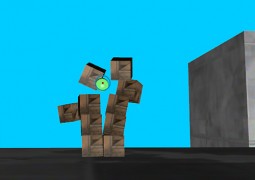
Create from Scratch a Away3D Shoot’em’Up Game: Part 4
Now that we have the player and some enemies we need for them to be able to interact. This is done through collision detection which you will learn in this fourth part.
Effects / by - 21 July, 2009 1:00 pm
Getting Started With BetweenAS3
There are many popular open source tweening engines in the Flash community today. Numbered among these are Tweener, TweenLite/Tweenmax, Tweensy, and GTween. This is a short look at the capabilities of newcomer to the scene: BetweenAS3. BetweenAS3 is the tweening engine brainchild of Yoshihiro (yossy) Shindo and is available as part of the Spark project (i.e. it is brought to us by one of the same group that brought the world the FLARToolkit for Augmented Reality in Flash and countless other goodies).
Latest / by - 17 July, 2009 12:45 pm
Web Roundups: 7 Free Flash CMS
A Flash CMS is a good option to deliver projects to your clients when they want to manage and change the content easly, without programming knowledge and avoiding to edit the flash files. Today, we show you the free available options which you should bear in mind before decide to go on Premium Products.
3D / by - 15 July, 2009 12:50 pm
Create from Scratch a Away3D Shoot’em’Up Game: Part 3
After you have created the 3D level, in the part 3 of this Away3D series, we will show you how to add the player spacecraft and enemies.
Effects / by - 13 July, 2009 12:30 pm
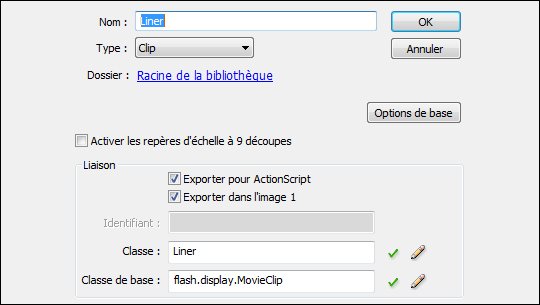
Create an intelligent XML image Gallery & Slideshow in Flash CS4 (+PHP) – Part I/II
In this article you will learn how to build an image gallery that will load images from a web server. I decide to call it “Intelligent” because you don’t need to configure any XML or flash file. Just put the Flash movie and the images on a server and they will be loaded automatically. Nice ah?
3D / by - 8 July, 2009 1:45 pm
Create from Scratch a Away3D Shoot’em’Up Game: Part 2
In the part 1 of these tutorial series articles we created a framework that we could build off to start making the actual game. Now it’s time to create a 3D level for the player to fly through.
3D / by - 6 July, 2009 12:50 pm
Create from Scratch a Away3D Shoot’em’Up Game: Part 1
Today we start a 9 part tutorial series on creating a Shoot’em’Up game. We will cover all the necessary topics to create it from scratch, which will help you to understand and apply these guidelines to other projects. Ath this first part. we look at getting the Away3D engine up and running by creating a UIComponent that will contain and initialize the necessary Away3D components.
Effects / by - 1 July, 2009 1:00 pm
Build a Creative “Swirl Animated Menu” with Flash CS4
Flash it’s a powerful application and can be really complex, but even beginners can create a cool menu for demonstration or for use in a personal site. The menu that we will create is simple, but the swirl animation is something that you don’t see everywhere, for that I’ve decided to explain one way to make an animation of growing swirls without any Action Script code.You will also learn how to import artwork from illustrator where I’ve pre-made the graphics, the work is very simple and the result will be very cool.
Flash / by - 29 June, 2009 12:00 pm
SWFObject and Best Practice Implementation
With more and more full screen Flash web sites appearing on the internet, it’s important to understand how to properly embed the Flash movie in the browser window.
In this tutorial we will cover best practice embedding of SWF movies using SWFObject with a custom function for adding browser scrollbars for smaller browser windows.
Latest / by - 26 June, 2009 12:10 pm
Flash Builder 4 – Deep Look Into Improvements!
Adobe released early June 2009 the Flash Builder 4 and we took the chance to look deep into this awesome program.
The news are many…. starting in IDE improvements to native Action Script handling, many other things were added. In this article we will show you some examples distributed in topics about some of these new features.
3D / by - 24 June, 2009 12:30 pm
Create a 3D Bowling Game with JiglibFlash and Papervision 3D
Possibly the hottest thing to hit the Flash community since the advent of several excellent 3D engines is the recent debut of 3D physics engines. Here we’ll examine a way of using one of the more popular 3D engines, JiglibFlash, in conjunction with the prominent 3D engine Papervision3D to create a bowling game.
Flex / by - 22 June, 2009 1:00 pm
Create a Dynamic Event Calendar in Flex Builder 3 with Actionscript 3.0
This tutorial will allow readers to create an Event Calendar application using Flex. The final user will be able to plan over a daily, weekly or monthly plan.
You will learn on this step by step Flex tutorial, to create from scratch those Graphic User Interfaces, integrate them, and create a complete Rich Internet Application with a professional look.
Flash / by - 17 June, 2009 1:00 pm
Build a Dynamic Accordion Menu in Flash CS4 with ActionScript 3.0 and XML
In this tutorial you will learn how to build an accordion style menu from scratch that can be configured by using an external file.
The menu items can bet totally configured in XML with label and can load text, image or swf on it’s open “state”. Just follow the tutorial, it’s quite simple. At the end you will see a secon example achieved by this procedure.
Flex / by - 15 June, 2009 1:00 pm
Build a contact manager in Flex 3 with ZendAMF; Part Two – Coding the CRUD & Final Release
The complete result of this 2 part tutorial is a contact manager built in flex that uses ZendAMF to store data in mysql. In the this second part we will code all the application and backend functions using Flex 3 + ZendAMF + Php 5 + MySql. This part will use a general crud system (Create, Read, Update and Delete) that is similar to the most applications needs. You will be able to write you own application from scratch.


