What’s the Difference Between No Log VPN and Regular VPN?
by ago0
No Log VPNs have carved out a devoted following among folks who care about privacy there’s just something reassuring about knowing your history isn’t being squirreled away. Here’s the core distinction: safer browsing, or at least the promise of it. With VPN usage booming (think nearly a third of all internet users), privacy anxiety is on the rise too. What really separates a No Log VPN from a regular one? It’s their approach to record keeping a detail that matters way more than most people realize. That’s the factor you can’t afford to ignore.
Table of Contents
1. What is a VPN?
2. What Does No Log VPN Mean?
3. No Log VPN vs. Regular VPN: Core Differences
4. Privacy and Data Security
5. User Experience and Support
6. Legal Compliance and Accountability
7. Performance and Reliability Factors
8. No Log VPN: Potential Limitations
9. Regular VPN: Advantages in Practice
10. Transparency and Trustworthiness
11. Evaluating Your Needs and Priorities
12. How to Choose the Right VPN
13. Conclusion and Key Takeaways
What is a VPN?
A VPN or Virtual Private Network locks down your internet connection by encrypting your data and hiding your IP, giving you that private tunnel feeling online. It’s not just about dodging nosy parkers, VPNs let you slip past pesky geo blocks too. A seasoned cybersecurity expert once put it this way: “VPNs aren’t a luxury anymore. They’re protection in a world where your digital trail is basically public. ” Ever stopped to picture what it would mean to click around online without leaving a single mark?
Basic Definition of VPN
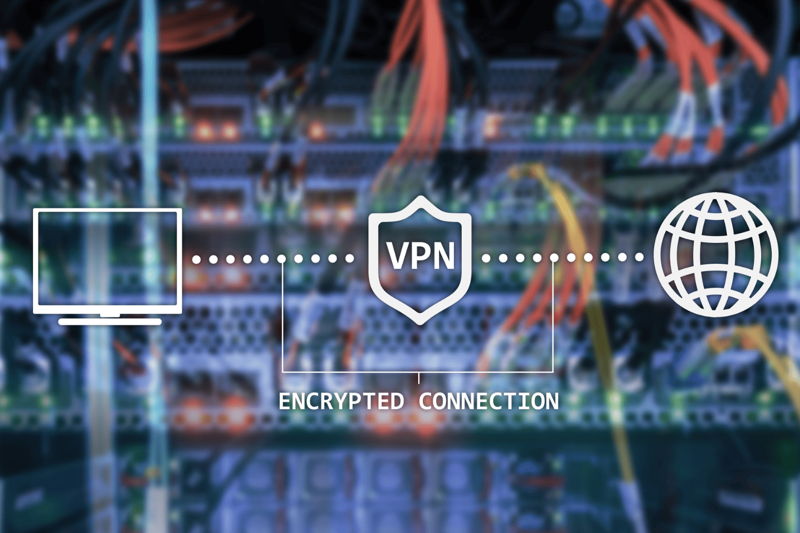
Here’s how VPNs do their magic: they set up a secure, encrypted line between your device and a remote server. It’s like holding a big umbrella over all your data so nobody can peek in. This isn’t just for solo users plenty of businesses rely on VPNs to keep company secrets under wraps. Imagine the fallout if some hacker nabbed your firm’s private files because you skipped basic protection. Not pleasant, right?
How VPNs Work
Let’s get a bit nerdy for a second. VPNs rely on heavy duty encryption protocols and sprawling server networks. Picture your information speeding through a dark alley only you and the intended reci”pient know about. Lately, VPNs have gotten faster and safer now, using one is almost second nature for anyone concerned about privacy. Ever wonder how they manage to keep things speedy while staying locked down?
Common Uses of VPNs
You’re in a coffee shop with open Wi Fi, or maybe you’re trying to stream a show blocked in your country those are classic VPN moments. Take the traveler keeping tabs on their savings from abroad, or a journalist shielding their research from prying eyes. There’s even a case where someone dodged a privacy disaster just by flipping on their VPN. And what about you? Would you risk your personal info in a dicey situation?
What Does No Log VPN Mean?
A No Log VPN swears off collecting or storing any bits of your data like a bartender who forgets your order the moment you leave. This “forget everything” approach stands in stark contrast to regular VPNs, which might jot down a few details for various reasons. One provider puts it bluntly: “We don’t keep records. Your activities stay yours. ” Still, how do they help you if they know nothing about your session?
Definition of No Log VPN
No Log VPNs just don’t keep tabs no browsing trails, no IPs, no timestamps. Their strict policy is designed to keep everyone truly anonymous. That’s appealing to privacy hawks, but it does make tech support trickier. So, how do these services juggle your privacy with actually fixing stuff when something breaks?
Suggested Reading: What is a No Log VPN?
Types of Data Not Logged
No Log VPNs don’t save anything that could point back to you not the sites you visit, not your addresses, nothing. This zero data stance is key for folks worried about being tracked, especially since hacks and leaks pop up all the time. Some services even call in outside auditors to check their claims. But what if a so called No Log VPN actually got caught logging then what?
Why Logging Policies Matter
Logging policies decide your fate if things go sideways. If your data’s stored somewhere, it’s at risk hackers, lawsuits, you name it. Sometimes a company’s entire reputation hinges on whether or not it kept a log, as one infamous legal case proved. Could you live with the fallout if your VPN handed over your info?
No Log VPN vs. Regular VPN: Core Differences
Here’s the gist: No Log VPNs skip data hoarding, regular VPNs might hang onto a bit for “maintenance” or “support. ” Which one’s better? That depends on whether you lean toward absolute privacy or want smoother troubleshooting. The call really comes down to what keeps you up at night privacy breaches or slow support. What matters most to you when it comes to feeling safe online?
Logging Policies Compared
No Log VPNs stand by their “no records” promise, while regular VPNs might hold on to a sliver of info for support or stats. It’s not just a technical difference it shapes your entire online experience. An expert summed it up: “You want the truth about a VPN? Look at their policy. ” What would you put first: privacy or convenience?
Transparency and Audits
If you’re trusting a VPN, you want the whole truth about their promises. That’s why many No Log VPNs open up to independent audits just to prove they’re not quietly logging behind the scenes. Regular VPNs might do this too, but if they’re holding data, they’d better have strong locks on it. Which part of transparency really matters words on a site, or someone else checking their claims?
Suggested Reading: How to Verify if a VPN is Truly No Log?
User Trust and Perception
For most folks, a No Log policy equals trust. Still, regular VPNs win some over with their hands on support or zippy speeds sometimes you want to talk to a real human. The decision boils down to what you value. How do you think providers earn your trust, anyway?
Privacy and Data Security
With No Log VPNs, you’re a ghost no records, no breadcrumbs, nothing to track. It’s a shield from marketers, hackers, maybe even the government. Unfortunately, any logging whatsoever opens a door for things like data leaks. Which threat do you worry about most: being tracked, or having your data show up somewhere it shouldn’t?
User Anonymity
No Log VPNs boost your invisibility, plain and simple. For journalists, activists, and people under strict regimes, that’s more than a perk it’s a lifeline. But for most of us, it’s just about peace of mind. What’s your “must have” when it comes to VPN privacy?
Protection Against Tracking
All VPNs hide your location and scramble your data, but No Log VPNs slam the door on third party tracking. With tracking on the rise, that extra layer feels worth it, doesn’t it? Still, how far can VPNs really go to keep you untraceable?
Risks of Minimal Logging
Even “just a little” logging can backfire records get leaked, courts can demand them. No Log VPNs avoid this risk by not keeping anything. The flip side: some users might miss out on certain support features. Where’s your line between privacy and functionality?
User Experience and Support
No Log VPNs take a different route for support no piles of records to sift through, just anonymous error reports or generic troubleshooting steps. It’s a trade off for privacy lovers, but it can mean slightly clunkier support. Regular VPNs, with their logs, offer faster fixes. Which one matters more to you: staying anonymous or getting things fixed pronto?
Troubleshooting Issues
No Log VPNs lean on anonymous bug reports or user generated codes for fixing issues no peeking at your details. It works, but it’s not always smooth. Still, some folks would rather wait for a fix than give up a shred of privacy. Dealing with tech issues this way, is it a headache or a worthy sacrifice?
Customer Service Improvements
Regular VPNs can peek at your session info (with your permission, in theory) to spot problems fast. This means less waiting, more tailored help. If you’re the type who dreads tech glitches, this might be your pick. What really makes support feel personal to you?
Performance Optimization
To keep things running fast, VPNs sometimes log data about speeds or server loads. No Log VPNs have to find creative workarounds like smarter encryption or more servers to keep up. Regular VPNs, meanwhile, fine tune as they go. So, would you trade a little privacy for that extra dash of speed?
Legal Compliance and Accountability
When the law comes knocking, No Log VPNs usually shrug they simply have nothing to hand over. Regular VPNs might get stuck in a tough spot if they’re required to cough up logs. This is where privacy gets real, and the stakes go sky high. What’s scarier: having your data taken by hackers or seized by authorities?
Responses to Legal Requests
No Log VPNs, by design, can’t answer legal demands for your activity they don’t have the receipts. Regular VPNs, meanwhile, might have no choice but to comply. This puts a spotlight on their policy transparency. If you were in that situation, what would you want your VPN to do?
Obligations in Different Jurisdictions
VPN companies must wade through a patchwork of laws depending on where they’re based. That means your data could be safer in one country than another and the right VPN for you might depend on your address. Legal headaches, anyone?
User Protections in Practice
No Log VPNs sometimes use clever tricks like warrant canaries or legal pushback to keep your data out of the wrong hands. These moves matter more as data grabs become routine. The question is, what lengths should a provider go to for your privacy?
Protect Your Privacy with NordVPN
NordVPN has been independently audited to guarantee a strict no-logs policy. Browse, stream, and work without leaving a trace. Your data stays yours, always.
Performance and Reliability Factors
You might notice some speed bumps with a No Log VPN sometimes privacy takes a little extra time. But not always, since some of these services have world class hardware behind the scenes. Picking between privacy first and support focused VPNs means deciding which hiccup you can live with. What really makes or breaks a VPN for you speed, uptime, or something else?
Connection Speed
No Log VPNs can sometimes lag behind in raw speed, mostly because they don’t track network analytics. Still, plenty now use smart networks and top shelf encryption to keep things zippy. Would you slow down a bit to stay invisible?
Service Stability
Reliability is king. Whether you use a No Log or regular VPN, you want rock solid uptime. But how each gets there and the trade offs involved depends on their logging stance. What’s the biggest dealbreaker for you, a drop in speed or a drop in privacy?
Impact of Logging on Performance
Regular VPNs fine tune performance with what they learn from user logs. No Log VPNs, naturally, have to work smarter by other means. Can you have both privacy and peak performance, or is something always left on the table?
No Log VPN: Potential Limitations
No Log VPNs might run into trouble if a client hits a rough patch they simply don’t have detailed logs to diagnose the issue. This could mean slower fixes or ocassional hiccups in support. Still, some providers use clever tech and redundant systems to fill the gap. Is the peace of mind worth the occasional hassle?
Challenges With Troubleshooting
When there’s no data to dig into, fixing bugs can get tricky. No Log VPNs improvise with anonymous reports or user feedback. Sometimes it’s a pain, sometimes it just works out. Ever had to send vague troubleshooting notes and cross your fingers?
Limitations in Abuse Prevention
It’s harder to block abusive users or spammers when you don’t keep logs. Some No Log VPNs rely on broad bans or smarter traffic monitoring instead, but it’s not perfect. Does this risk make you nervous, or does privacy still win?
Possible Issues With Service Quality
Without logging, it’s tough to spot network slowdowns or growing pains. That means you might see more glitches now and then. Yet, some No Log VPNs still manage to keep things running smoothly by upgrading hardware or adding servers. You get used to it, or you don’t.
Regular VPN: Advantages in Practice
Regular VPNs, thanks to logs, often fix snags faster, manage networks better, and keep speeds up. There’s a privacy trade off, but if you want quick support or steady connections, this approach wins points. For some, the convenience outweighs the risk. Which side of that fence are you on?
Enhanced Customer Support
Support staff can look at your session data (hopefully only with your okay) to untangle problems fast. That means less time waiting for help and more time surfing. If smooth support is your top need, you might lean this way. Is quick help worth sharing a little info?
Improved Network Management
By using session logs, regular VPNs can spot and fix network congestion, tune servers, and keep speeds up. It’s like having a pit crew for the internet. That said, some users worry about just how much their provider is watching. Where do you draw your line?
Balance Between Privacy and Service
It’s a juggling act: collect enough data to help users, but not so much that privacy goes out the window. Transparent policies and strong safeguards are a must, but the balance isn’t always perfect. Can you ever really have it both ways?

Transparency and Trustworthiness
Whichever VPN you pick, transparency should be non negotiable. Many providers undergo independent audits, posting results for all to see. It’s about trust built slowly, lost fast. Would you trust a VPN with your data just on their word alone?
Independent Audits
Audits by outside firms test whether a VPN walks the talk. Passing an audit gives users another reason to trust, while a bad result can ruin reputations overnight. What gives you confidence: a shiny audit badge, or just hope?
Company Reputation
Reputation isn’t built in a day. VPNs live and die by their word and how they handle data. Customers talk, and news travels. If a provider slips up, it’s almost impossible to get that trust back. Ever stuck with a brand even after a mistake?
Clear Privacy Policies
Complex legalese won’t cut it a VPN’s privacy policy should be plain, honest, and easy to find. When you actually understand what’s happening to your data, trust follows naturally (usually). What makes a privacy policy feel “real” to you?
Evaluating Your Needs and Priorities
No two users are the same. Some need ironclad privacy, others want flawless streaming or responsive support. Choosing between No Log and regular VPNs means figuring out what you can’t live without. What tips the scales for you: stealth or speed?
Assessing Your Risk Level
Think about your online habits and where you’re located. Are you just a casual browser, or do you need extra shields? Honest risk assessment will guide your decision, plain and simple. What’s your privacy comfort zone?
Considering Support and Performance
If you expect top tier customer support or smooth, uninterrupted connections, regular VPNs might have an edge. Still, for some, privacy trumps all. The best fit depends on what you value most when things go sideways. What would frustrate you most: slowdowns or exposed data?
Finding a Privacy Balance
It’s about striking a balance giving up just enough convenience for peace of mind, or vice versa. You don’t have to pick extremes, but you do have to pick. What challenge do you face in finding your sweet spot?
How to Choose the Right VPN
Shopping for a VPN? Ask yourself tough questions: How do they handle logs? What’s their track record on security? Does speed matter to you, or is privacy the dealbreaker? Picking a VPN is personal, so take your time. What’s your top must have?
Key Questions to Ask
Don’t just trust the marketing pitch. Ask about data handling, what happens if things go wrong, and whether they’ve ever been audited. Drill down until you get a straight answer. Which question would you never skip?
Comparing Features
Line up your options: what kind of logging, which encryption standards, how many servers? Some features matter more than others depending on your goals. Figure out your dealbreakers. Where do you hesitate when scanning a feature list?
Reading User Reviews
Real world feedback matters. Dig through user stories, sometimes, they’ll reveal glitches or hidden perks no ad ever mentions. The truth is often buried in those details. What have reviews helped you avoid in the past?
If you’re unsure which VPN to choose, consider NordVPN or ExpressVPN. Both are reliable options that offer strong security features and maintain a strict no-logs policy, ensuring your privacy is protected.
Conclusion and Key Takeaways
Picking a VPN comes down to priorities: privacy versus performance, anonymity versus convenience. There’s no universal answer only what fits your life and risk tolerance. Take a hard look at your needs, your web habits, even your gut feeling about sharing data. Once you know what matters most, you can cut through the noise. What stuck with you most from all this?
Related posts

VPN / by - ago
Do No Log VPNs Really Keep You Anonymous?
Stay safe and private online with a trusted no log VPN, designed to keep your browsing history and personal data completely secure, without storing any records of your activities.

VPN / by - ago
How to Stream Sports with a VPN: A Beginner’s Guide
Learn how to stream sports safely and securely with a VPN. This beginner’s guide explains how VPNs work, why they help unblock live games, and how to set one up for seamless sports streaming…

VPN / by - ago
How to Verify If a VPN Is Truly No-Log?
Learn how to verify if a VPN is truly no-log. Discover key signs, auditing practices, and red flags to ensure your online privacy is genuinely protected…
VPN / by - ago
What is a No Log VPN?
Explore the best No Log VPN options that are meticulously verified and proven to provide unparalleled online privacy, securing your data and identity with ease.